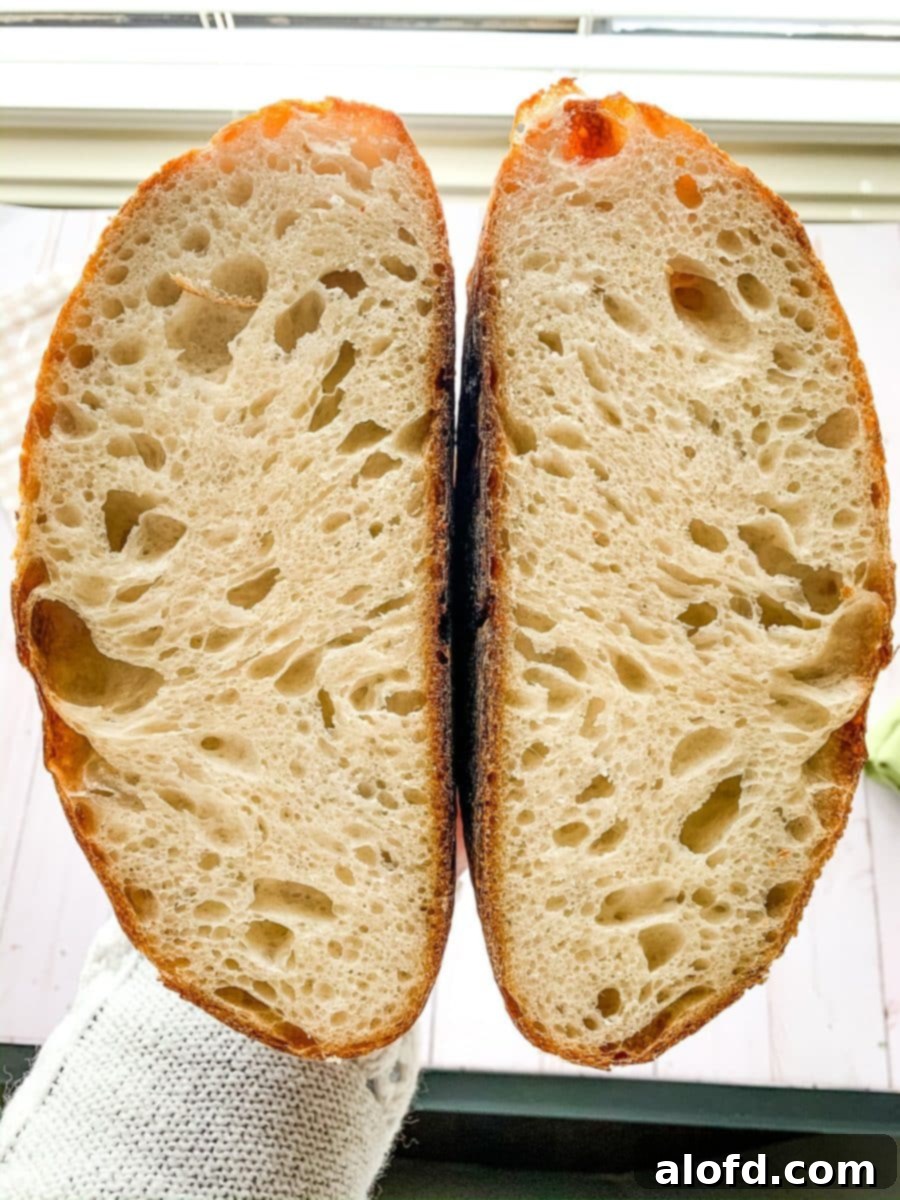
When I first started my baking journey, I was honestly overwhelmed by the sheer variety of flours available. The baking aisle felt like a maze, with countless options vying for my attention! I remember thinking, “Is all-purpose flour *really* the best choice for *everything*?” If you’ve ever felt the same way and are eager to explore the fascinating world of different flours, this guide is for you. We’re going to dive into the wonderful world of different types of flour for baking!
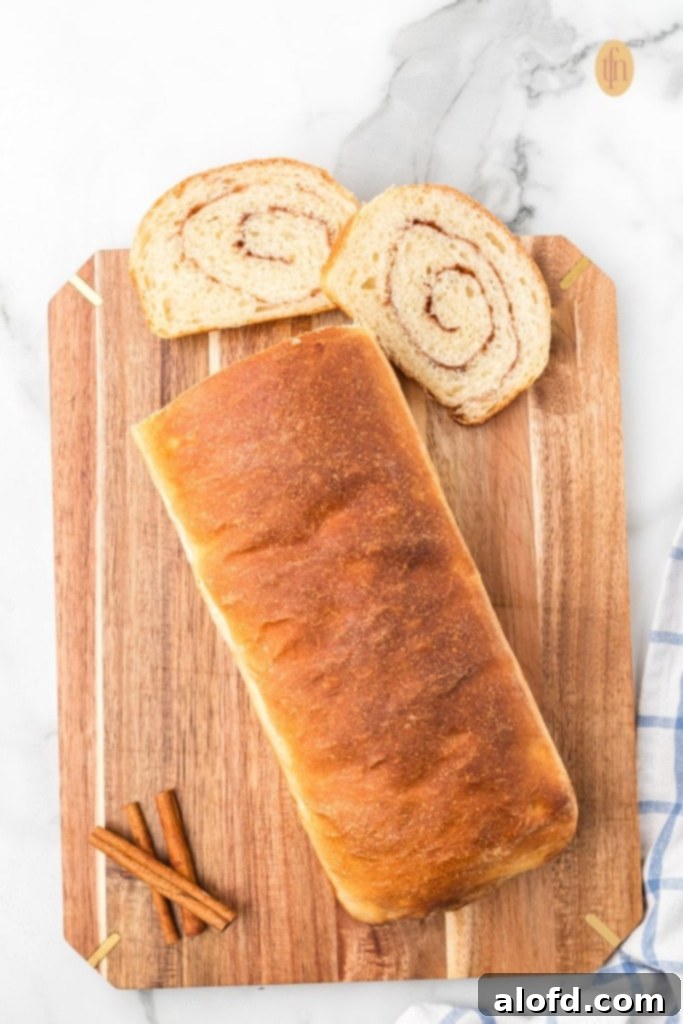
This comprehensive flour guide will break down the key differences between popular flour types, helping you understand which flours work best for specific recipes. Trust me, the right flour choice can elevate your baking to a whole new level, making your creations taste even more incredible! Let’s unravel the flour mystery together, so the next time you’re in the baking aisle, you’ll know exactly what you need to create your baking masterpiece.
Navigating the World of Baking Flours: A Comprehensive Guide
Choosing the right flour is a crucial step in successful baking. Each type of flour has unique properties that affect the texture, flavor, and structure of your baked goods. Understanding these differences will empower you to create delicious and consistent results every time. Let’s explore some common baking flours and their ideal uses:
All-Purpose Flour
What is it? All-purpose flour (AP flour) is the workhorse of the baking world, a versatile blend of hard and soft wheat. This combination gives it a moderate protein content, typically around 10-12%. This protein level makes it suitable for a wide range of recipes, from cookies to cakes.
What is it good for? All-purpose flour truly lives up to its name. Beyond baking, it’s fantastic for thickening sauces, creating gravies, and general cooking purposes. In the baking realm, it shines in cookies, quick breads, muffins, pancakes, and even certain sourdough bread recipes (often as part of a blend). Its adaptability makes it a staple in most kitchens.
Flour Tip: If you only have room for one type of flour in your pantry, all-purpose flour should be it! Its versatility makes it an indispensable ingredient for both baking and cooking.
Unbleached All-Purpose Flour
What is it? Unbleached all-purpose flour is essentially the same blend of wheat as regular all-purpose flour, but with a crucial difference in processing. Instead of using chemical bleaching agents to whiten and refine the flour, unbleached flour is allowed to age naturally. This aging process helps to preserve some of the natural nutrients found in the wheat.
What is it good for? You can use unbleached all-purpose flour in all the same recipes as standard all-purpose flour. However, it’s particularly recommended for creating and maintaining your sourdough starter. Many bakers believe that the natural aging process enhances the flavor and activity of the wild yeasts and bacteria crucial for sourdough bread.
Flour Tip: For the health and vitality of your sourdough starter, opt for unbleached all-purpose flour. The chemicals in bleached flour can potentially inhibit the growth and activity of the beneficial microorganisms in your starter.
Self-Rising Flour
What is it? Self-rising flour is all-purpose flour with pre-mixed leavening agents, typically baking powder and salt. This convenient combination makes it a popular choice for bakers, especially those new to baking or looking for a streamlined approach. It eliminates the need to measure and add these ingredients separately, simplifying the recipe and minimizing potential errors.
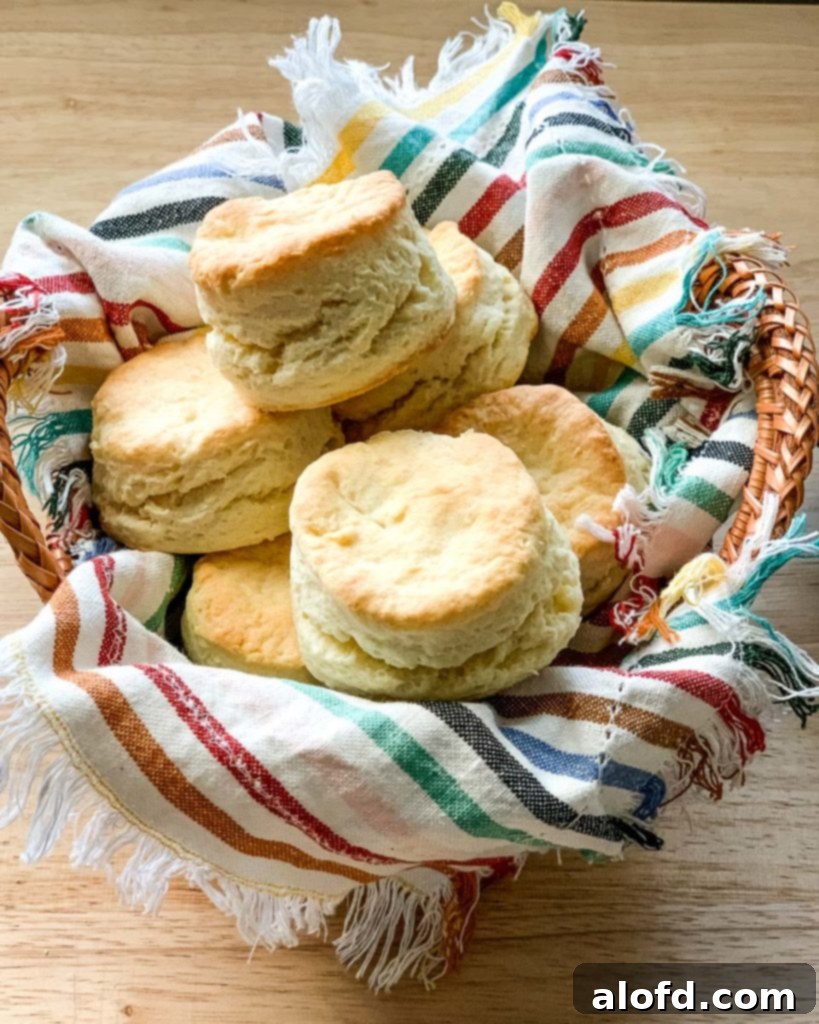
What is it good for? Self-rising flour is a staple in Southern cooking and is particularly well-suited for biscuits, pancakes, and quick breads. Its convenience and consistent results make it a reliable choice for these classic recipes.
Flour tip: If you don’t have self-rising flour on hand, you can easily make your own! The general rule is to add 1 1/2 teaspoons of baking powder and 1/4 teaspoon of salt per cup of all-purpose flour.
00 Flour
What is it? 00 flour is a finely milled Italian flour, typically made from durum wheat. The “00” designation refers to the texture of the flour, indicating that it’s ground to an ultra-fine consistency. This fine grind results in a flour that’s incredibly smooth and silky to the touch.
What is it good for? 00 flour is the secret ingredient for authentic Neapolitan-style pizza. Its fine texture and low gluten content create a dough that’s incredibly stretchy and easy to work with, resulting in a light, airy crust with a slightly chewy texture. It’s also excellent for making fresh pasta and delicate pastries.
Flour tip: If you’re serious about perfecting your homemade pizza, 00 flour is a must-have. Its unique properties will transform your pizza-making experience and elevate your results to pizzeria-quality.
Semolina Flour
What is it? Semolina flour is a coarse, granular flour made from durum wheat. Unlike 00 flour, semolina is ground to a much larger particle size, giving it a sandy appearance. It has a distinct yellow hue and a relatively high protein and gluten content.
What is it good for? Semolina flour is ideal for making pasta, especially Italian pasta varieties like penne and rigatoni. Its high protein content helps the pasta hold its shape during cooking, preventing it from becoming mushy. It’s also used in some rustic breads and pizza doughs, adding a slightly nutty flavor and a pleasant crunch.
Flour tip: Semolina flour is fantastic for dusting pizza peels and baking sheets. It prevents dough from sticking, adds a subtle crunch to the crust, and doesn’t burn as easily as cornmeal.
Whole Wheat Flour
What is it? Whole wheat flour is made from the entire wheat kernel, including the bran, germ, and endosperm. This distinguishes it from white flour, which is refined to remove the bran and germ. As a result, whole wheat flour is significantly higher in fiber, vitamins, and minerals.
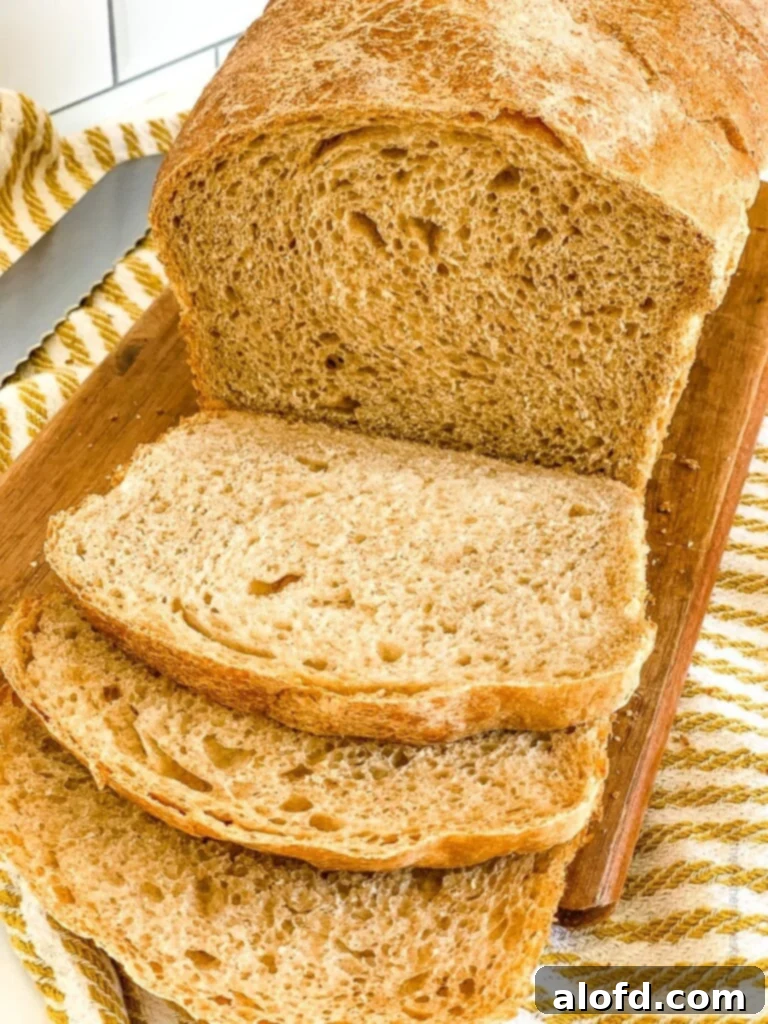
What is it good for? Whole wheat flour adds a nutty flavor and hearty texture to breads, muffins, and other baked goods. It’s a popular choice for those seeking to increase their fiber intake and add nutritional value to their diet. However, keep in mind that whole wheat flour can be more absorbent than white flour, so you may need to adjust the liquid content in your recipes.
Flour tip: For a balanced approach, try substituting a portion of the white flour in your recipes with whole wheat flour. Start with a 25% substitution and gradually increase the amount to suit your taste preferences.
Kamut Flour
What is it? Kamut® flour is made from Khorasan wheat, an ancient grain prized for its large kernel size and rich, buttery flavor. The Kamut® trademark ensures that the grain hasn’t undergone any modern hybridization or genetic modification, preserving its original qualities.
What is it good for? Kamut flour can be used in a wide variety of baked goods, from cookies and muffins to breads and pancakes. It imparts a subtle sweetness and a delightful buttery flavor that complements a wide range of ingredients.
Flour tip: Kamut flour can often be substituted 1:1 for all-purpose flour in many recipes. However, it’s always a good idea to experiment and adjust the liquid content as needed to achieve the desired consistency.
Bread Flour
What is it? Bread flour is a high-protein flour made from hard wheat varieties. It typically contains between 12% and 14% protein, which is higher than all-purpose flour. This higher protein content leads to greater gluten development, resulting in a dough that’s strong, elastic, and able to hold its shape during baking.
What is it good for? Bread flour is essential for baking breads that require structure and a chewy texture, such as sourdough bread, bagels, and dinner rolls. Its high protein content allows the gluten to develop fully, creating a strong network that traps gases and gives the bread its characteristic rise and texture.
Flour tip: Keep in mind that bread flour absorbs more liquid than all-purpose flour. If you substitute bread flour for all-purpose flour in a recipe, you may need to increase the liquid content to achieve the correct dough consistency.

Wow, that’s quite a journey through the world of baking flours! Did we miss any of your favorites? Feel free to share your experiences and recommendations in the comments below!
If I had to narrow it down and recommend just three flours to keep in your pantry, I’d suggest unbleached all-purpose flour (for its versatility), bread flour (for those amazing crusty loaves), and 00 flour (if you’re passionate about pizza and pasta). However, the beauty of baking lies in experimentation, so don’t hesitate to explore other flours like Kamut or Semolina to discover new flavors and textures!